
"Ethiopian Harar beans"
300 article(s) found

Ethiopian coffee quality Ethiopian coffee origin
The main producing areas of Ethiopian coffee are Harald (Harar) in the east, Djimmah (southwest) and Sidamo (south). The unique fragrance of Yirgacheffe comes from Yirga, a small town in the northwest of Sidamo province. Yirgacheffe coffee raw beans are the most popular in the world.

Coffee Variety Description: Harar
Harar coffee variety, common in the harar region of western ethiopia, is characterized by a strong tree species and high coffee yields; however, it is susceptible to disease.

Brief introduction of main producing areas of Ethiopian Coffee
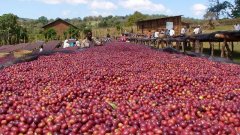
Hara (Harar) / Solar or dried (Sundried/Dry-Processed) Hara is located in the Eastern Highlands of Ethiopia (Harerge Province) and grows between 5000 and 7000 feet above sea level. It was still wild on slopes a century ago. Most of the raw beans are medium size and have long tips at both ends, with a yellowish or golden green color and strong chocolate when baking.
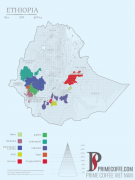
Story of planting grades in Ethiopian Coffee producing area characteristics of flavor and taste of Yega Sidamo coffee beans
As we all know, Ethiopia is the birthplace of coffee. Coffee is the main export commodity grown in Ethiopia. Coffee grown in Ethiopia is famous for its excellent quality and flavor. To this day, Ethiopia is one of the world's largest coffee producers and exporters and is in a leading position in the world.

Ethiopian Coffee Harald Coffee
Ethiopian coffee is known as the coffee of the wilderness, and a cup of Ethiopian coffee can bring you a primitive experience you have never had before. The word COFFEE comes from KAFFA, a place name in Ethiopia where coffee was first grown. Ethiopian coffee has moderate acidity, moderate mellowness, alcoholic flavor and wild aroma, and some dried coffee may have soil.

Very typical mocha flavor Harald (Harar) production area jasmine strong chocolate smell
The coffee producing areas of Ethiopia are Hidamo, Harald and Sidamo, Harrar and Yirgacheffe. Sidamo and Harrar are provinces and divisions. Sidamo is located in the south of Ethiopia bordering Kenya, and Harrar borders Somalia in the east of Ethiopia. Although Yirgacheffe is a community in the Sidamo region, due to soil composition and water content and other reasons.

Ethiopian coffee is mainly produced in the plateau above 2000 meters above sea level.
Ethiopian coffee is mostly produced in the plateau above 2000 meters above sea level, and the major producing areas are: Djimma; Gunby; Yirgachefe; Sidamo; Harald; Harar; and Harald coffee grows from Daroleb (Darolebu). The plain is 900 meters above sea level to the Sheikh Sheikh (C) in the highlands of eastern Ethiopia.

Medium-roasted Ethiopian Yega Snow Coffee introduces boutique coffee
The main producing areas of Ethiopian coffee are Harald (Harar) in the east, Djimmah (southwest) and Sidamo (south). The unique fragrance of Yirgacheffe comes from Yirga, a small town in the northwest of Sidamo province. Yirgacheffe is a global coffee connoisseur.

A brief introduction to the History and Culture of the Origin and Development of Coffee beans in Harald Moka Manor in Ethiopia
Ethiopia has unique natural conditions suitable for growing all imaginable varieties of coffee. As a highland crop, Ethiopian coffee beans are mainly grown in areas between 1, 100 and 2300 meters above sea level, roughly distributed in southern Ethiopia. Deep soil, well drained soil, weakly acidic soil, laterite and soil are soft and contain

Harald (Harar) is located in the Eastern Highlands of Ethiopia with jasmine-scented coffee flavor.
Boutique coffee (specialty coffee) is also called specialty coffee selection coffee. It refers to coffee made from a small number of raw beans with excellent taste grown in an ideal geographical environment. Depending on the special soil and climatic conditions in which they grow, they have outstanding flavor. After strict selection and classification, this kind of coffee is hard in texture, rich in taste and stylish.
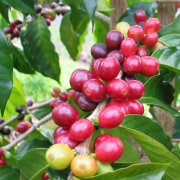
Harald boutique coffee Ethiopian coffee
Harald (Harar) is located in the Eastern Highlands of Ethiopia (Harerge province) and grows between 5000 and 7000 feet above sea level. Most of the raw beans are medium size and long at both ends, with yellow or golden green color, strong chocolate smell when baking, wild taste with moderate acidity and rich texture, is a very typical mocha flavor, good Hara with
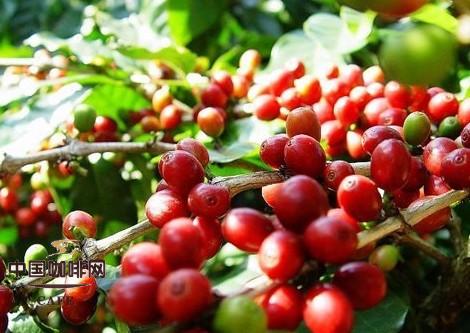
Ethiopian boutique coffee Ethiopian geographical environment Ethiopian coffee harvest fruity flavor in a year
Ethiopia's geographical environment is very suitable for coffee growth. Coffee is mainly grown in the southern highlands between 1100 and 2300 meters above sea level. The main coffee producing areas are Harar, Limu, Djimma, Sidamo, Kaffa, Yergacheffe and Wellega. The soil drainage in these areas is good.

Ethiopian coffee brand
Following Cafe Review (Wechat official account vdailycom) found that Beautiful Cafe opened a small shop of its own. When it comes to Esther's coffee, you have to say TOMOCA coffee. Fresh TOMACO coffee beans, cooked beans, harar-long bean baked TOMACO coffee know that this coffee is really authentic. TOMACO is also a century-old brand of Ethiopia, go to Ethiopia and ask the best coffee.

Introduction of Ethiopian Coffee Bean varieties by Flavor description method in Shaqiso producing area
The main producing areas of Ethiopian coffee are Harald (Harar) in the east, Djimmah in the southwest and Sidamo in the south. The unique fragrance of Yirgacheffe comes from Yirga, a small town in the northwest of Sidamo province. Yega Snow Coffee (Yirgacheffe)

Introduction to the varieties of Ethiopian Coffee beans produced by Grinding scale treatment
Ethiopia grows coffee in different climatic zones, so it has more than 140 farm varieties, and fresh coffee is produced all the year round. The quality of Ethiopian coffee varies according to different elevations and regional ecological environment. The Harar coffee in the southeast highland is a typical Muha coffee with a strong flavor; the coffee produced in the southwest Wollega has a rich fruity flavor; Limu coffee
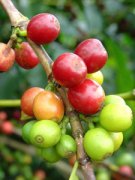
Harald (Harar) Berry delightfully fermented mixed flavors in the Eastern Highlands of Ethiopia
The coffee-producing region of Ethiopia is divided into east and west parts by the East African Rift Valley, with lakes, volcanoes, lowlands, plateaus and woodlands interlaced, each evolving. Ethiopia has the most diverse coffee ecosystem in the world (forest coffee, semi-forest coffee, pastoral coffee and plantation coffee), which also preserves its rich Arabica genes. The eastern half is mostly plateaus, coffee beans.
Harald Gimar Kim Bilim of Costa Rica Coffee country Sidamo Yega Chuefei
Ethiopia is called the hometown of coffee, not only because it is the earliest birthplace of coffee in the world, but also because it is a place where coffee is everywhere. There is a custom in this birthplace of coffee that no matter how poor and miserable people are, they must have a coffee pot and a charcoal stove in their home. Because the local people think they have to

Lim Limu washing local native coffee how to drink? What are the producing areas of Ethiopian coffee?
Professional coffee knowledge exchange more coffee bean information please follow the coffee workshop (Wechat official account cafe_style) Ethiopian coffee is mainly produced in eight major areas: Lekempti, Limu, Illubabor, Djimmah, Harar, Teppi/Bebeka, Sidamo, Yirgacheffe. Ethiopian coffee is highly rated in China, especially for Ethiopian coffee.

Full-bodied Ethiopian Yega Sheffield Coffee Flavor Taste Manor Description
The main coffee producing areas in Ethiopia are Harar in the east, Djimmah in the southwest and Sidamo in the south. Yirgacheffe, which has a unique aroma, comes from a small town called Yirga in the northwest of Sidamo province. Yirgacheffe among coffee connoisseurs worldwide

Ethiopian coffee beans grinding scale processing method taste estate varieties production area introduction
Ethiopia grows coffee in different climatic zones, so it has more than 140 farm varieties and fresh coffee production all year round. The quality of Ethiopian coffee varies according to different altitudes and geographical ecological environments. Harar coffee from the South-East Highlands is typical mocha coffee with a rich aroma; Wollega coffee from the South-West has a strong fruity flavor;Limu coffee